We get this all the time. People say, “I followed the instructions for an Indian recipe. I did it the same way, but it never tastes like yours.” Or they come on our workshops and say, “I can’t get it to taste any good.”
Why are they struggling?
It’s really very simple.
In Indian cookery, you can be given a set of ingredients and told to fry onions with garlic, ginger, and chilli, then add the other ingredients depending on the base you’re making. And yet, it won’t taste the same as when we do it.
Even within our own families, when we visit different relatives’ houses, it’s not the same. Some people’s food is excellent, others not so. So why, when using the same base ingredients—onion, garlic, ginger, chilli, and spices—does your food not turn out the same?
Why is it disappointing?
Quite simply, it’s methodology, ratios and quality of ingredients.
One of the first things we do when we teach The Indian Experience cookery workshop—the first lessons passed from mother to daughter—is to stop people turning the heat up high.
Lesson number one, in the words of my father: “a slow fire Putt,” meaning… cook low and slow darling child, Don’t hurry it!
This is very different from the hurried stir-fry style, with dramatic tossing and shaking, and all the theatrics we see on TV. I have to say, I’ve never seen an Indian granny or elder doing such pan-shaking in her kitchen. The pan is on, and it’s left alone. It’s really that simple.
So what next?
The pan is on a very low heat, and you leave it to do its thing.
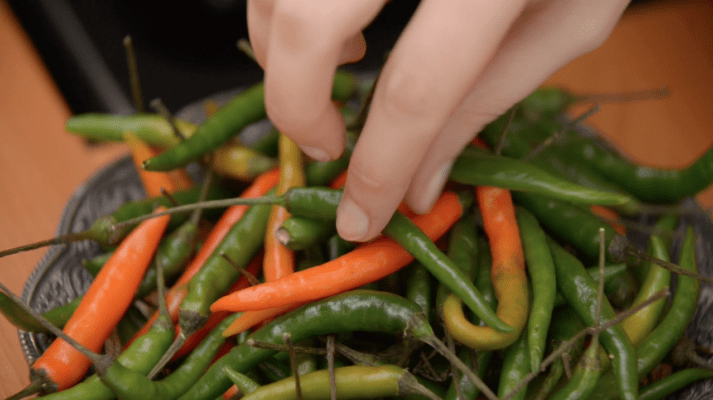
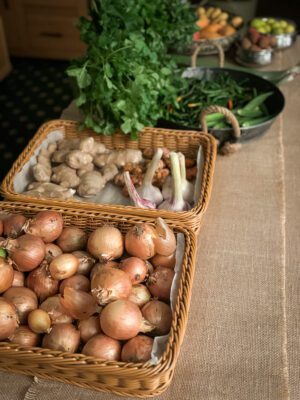
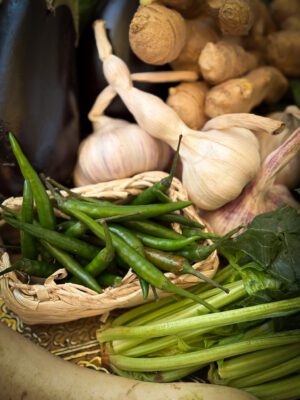
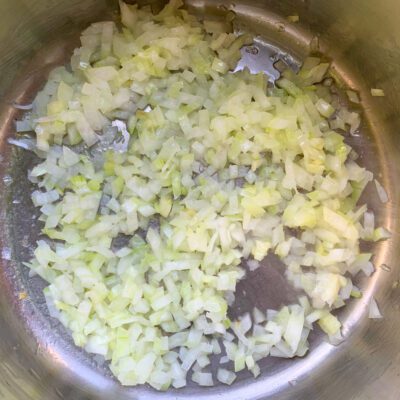
The preparation of your onion, garlic, ginger, and chilli is another major area where things go wrong. We could ask eight people on a workshop to chop these ingredients, and every one of them would do it differently. You might think that’s irrelevant—it really is not. It’s actually critical.
Here’s a thought for you.
If you’re making onion soup, you expect to see pieces of onion—that is the ingredient. If you’re making a lentil dish, you expect to see the lentils. But when you use onion, garlic, ginger, and chilli in a base—say for a dhal—they are not the main ingredient. It’s not a garlic dhal, or an onion dhal, or a ginger dhal.
The Tarka base!
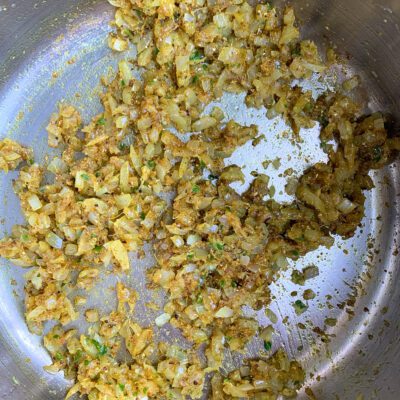
What you are doing is preparing the base, which we call: Tarka. If you don’t get your Tarka base right, you’re already in trouble. There are other ways to go wrong, of course, but this is where it starts.
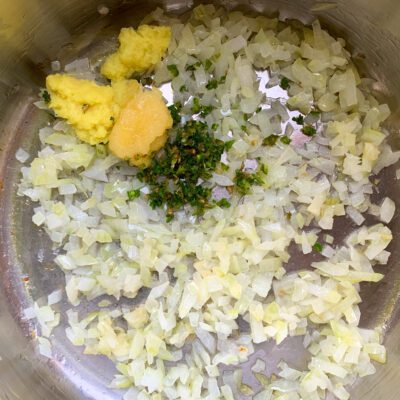
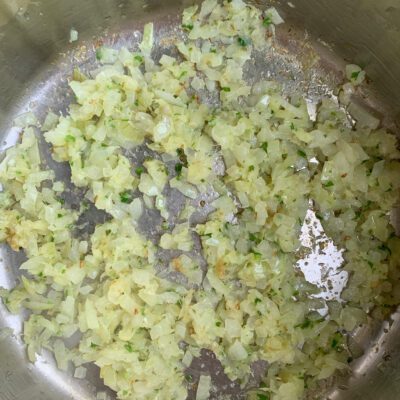
Preparation of these base ingredients must be finely chopped, and the cooking process must be slow. You should take more time over this stage than anything else.
You may say, “I don’t have all day.”
It doesn’t take all day. It’s about how you use your time. Let the onions do their thing while you prep the garlic, ginger, and chilli. While that cooks, you can clean, prep vegetables, and move on to the next step. By the time your dish is finished, your kitchen should be clean and you should have a beautifully cooked assortment of food.
Garam Masala
The next thing that goes wrong is spices.
If you’re using spices from a cheap supermarket, forget it. In my opinion, you’re setting yourself up to fail. It’s like buying cheap coffee and wondering why it tastes bitter. Spices are expensive—that’s just the reality. But when you buy whole spices and grind them, you don’t need anywhere near the quantity you would use from supermarket powders.
We had an event once where an Indian girl said to us, “What is wrong with the spices in this country?” I asked what she meant. She said, “I’m putting in one tablespoon, two tablespoons—there’s no flavour.” I asked, “Are you buying from a supermarket?” She said yes. I told her to stop immediately.
I said, take proper spices—get them sent from home, or learn to grind them yourself.
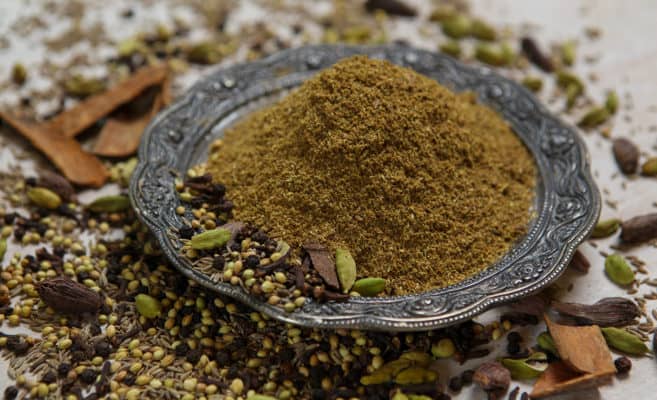
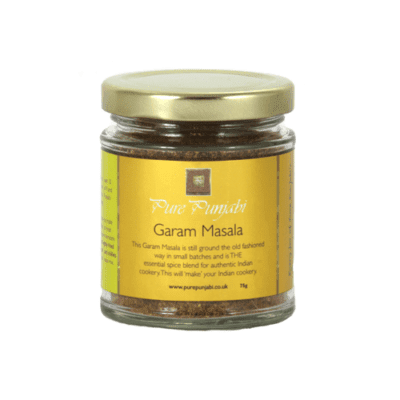
Next comes grinding and balance—knowing how to balance spices. That’s a whole subject on its own, and it comes with experience. We will be sharing our mother/grandmother’s blends in our story cookbook later, but for now, it’s very important to buy the best quality you can. If you are buying ready-made, order from a trusted source, how about our home-made blend Garam Masala, or go to a proper Asian store. Make sure the grind is of a medium consistency, and experiment.
Moving on—where else can we go wrong?
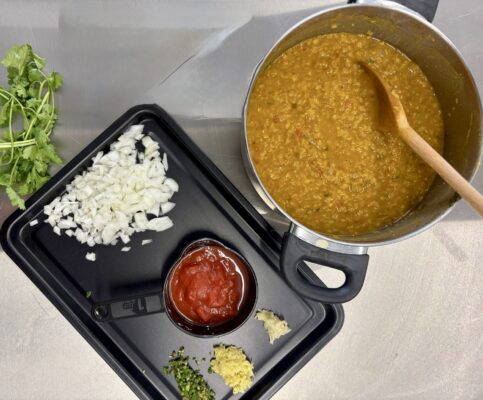
Tomatoes. Again, it’s about ratios and proportions. If you add too much, you’ll end up with a tomato dish. Tomatoes are part of the base, not the main ingredient. Too much, and you overpower everything.
For around 250g of lentils, you would only use a small amount—perhaps a third of a tin of good-quality tomatoes. If you’re using a cheap brand, you may need more, but I wouldn’t recommend it.
Next—salt. This is critical. You only need about half a teaspoon, but if you under-salt, you will not bring out the flavour. Salt enhances every other spice and ingredient. People are frightened of salt, but you shouldn’t be—at least not when cooking from scratch.
Taste as you go. If it feels flat, add a pinch of salt, wait a moment, and taste again. Taste, taste, and taste again.
Then we come to the main ingredients.
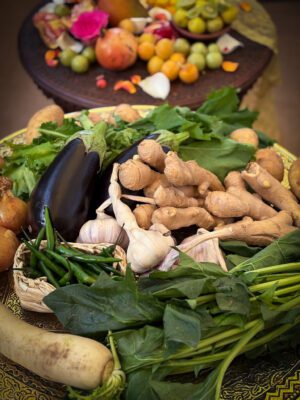
Here, again, things can go wrong if you don’t know how to prepare different pulses and vegetables. If you don’t prep them correctly, you’ll either undercook, overcook, or ruin your base.
If you’re using tinned pulses, well – just go home now to your mush…
Root vegetables like potatoes and carrots take longer to cook. So if you’re making a vegetable curry, you may need to add quicker-cooking vegetables like peas later, or parboil your potatoes first so everything cooks evenly.
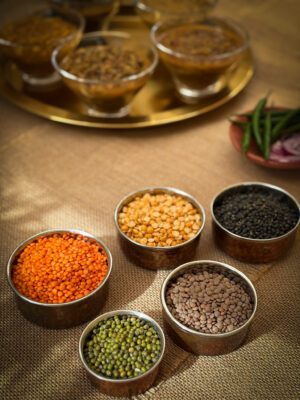
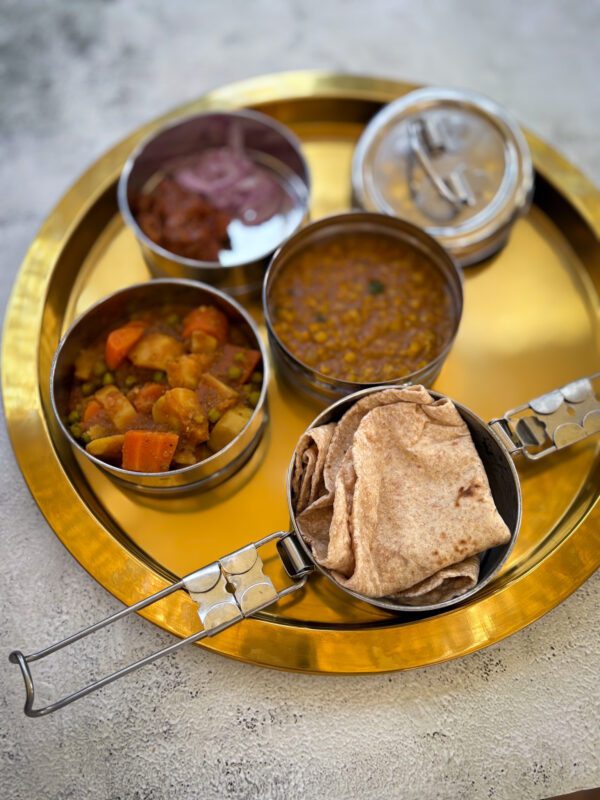
Chickpeas are another example. Many people say their chickpea curry never comes out right. It is critical to soak them overnight and parboil them before adding. Then give them around 15–20 minutes in the pan, and let them sit and infuse. People often skip this step.
If you must use ready-cooked chickpeas, use good-quality ones—preferably in glass jars.
Another key point: don’t keep boiling. Bring your lentils or curry gently to the boil once, then turn it down and leave it alone. Let it cook slowly.
Watch for texture. Mushy lentils or overcooked pulses will ruin the dish. They should be fully cooked, but still hold their shape. The same goes for potatoes—cooked through, but not falling apart unless that’s specifically what you want, such as for a stuffed filling – think samosa or paratha.
If you are making something like a samosa filling, you may want a softer texture—but even then, it should be intentional. And always let fillings cool before using them. Never use a hot filling for something that needs to sit.
And there you have it.
It should turn out right—not because it takes longer, but because it’s all in the method.

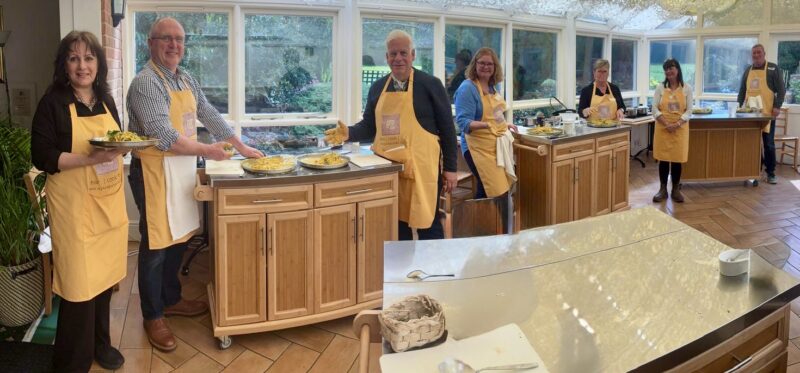
If you want to learn this properly, come and cook with us at our cookery workshops. It’s something you have to see—and feel—to understand, but hopefully the above pointers will start you on your way.
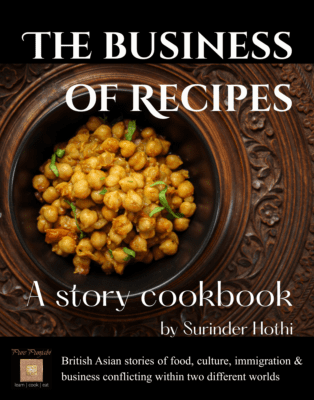
Next best, I have documented my mother’s teaching into my autobiographical story of learning from my parents. The Business of Recipes story cookbook documents everything, beacuse Punjabi village cookery was never documented, but pased on orally from mother to daughter.
To see our workshops: Click HERE
To learn about the story cookbook and why we are crowdfunding to donate to schools, colleges & libraries, click HERE